First think of a nickname for Richard. Then imagine having the name Richard Bone in middle school. Ooof.

Now that that’s out of the way. Meet new media artist Richard Bone, a man who tackled electronic music composition and thought “why not learn the visual arts as well.” He did an okay job at it too.

Bone was one of the first artists to start using audio synthesizers in performance and improvisational context. He’s made music within the realms of dance, new wave, underground pop, jazz, lounge, bossa nova, and more. Towards the end of his career, he began working on visual pieces to accompany the music he was creating. The videos and images look like someone collected stock footage and then edited it to have the same filters and transitions as an “epic high” scene in a classic 90s stoner film. This is my way of saying they are usually abstract and include a lot of bright colors. They also remind me of the old videos that would play in the background of that TV channel that just played music all day which when I think about, I really miss (#simplertimes).
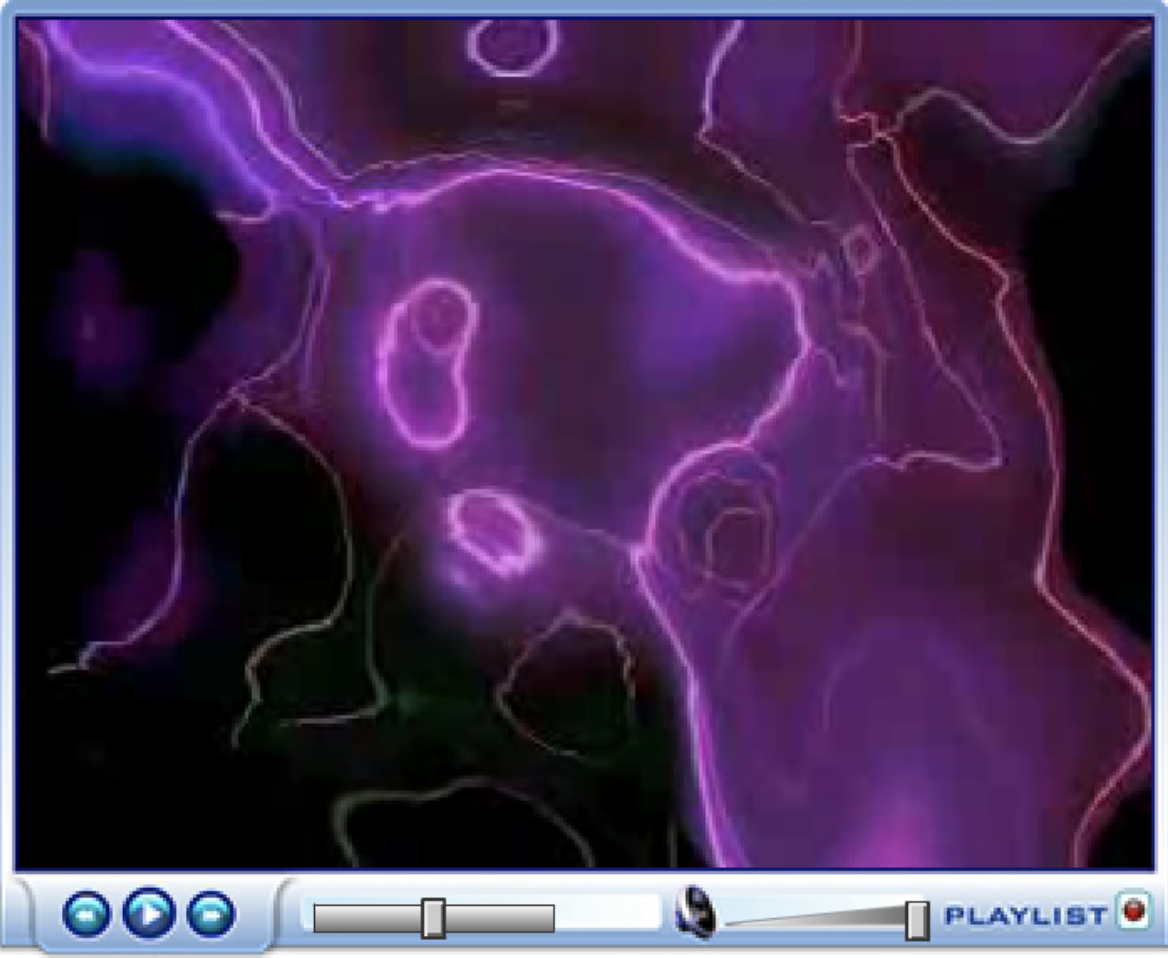
I was happy to stumble upon Mr.Bone and his work because I think the idea of putting abstract animations to ambient music could be a cool route to take my Project 4 ASMR audio. However, the fact ASMR isn’t rhythmic could cause problems. We shall see.

Something Richard Bone isn’t good at: creating websites. Check out that (and his work) here … http://mkmk.com/bone/videos.htm
Sara-ously Talented

Sara Ludy can do it all: digital painting, animation, sound editing, internet art, video, sculpture… that makes her what? A sextuple threat?

Alternative phrasing: Sara Ludy the epitome of a new media artist.

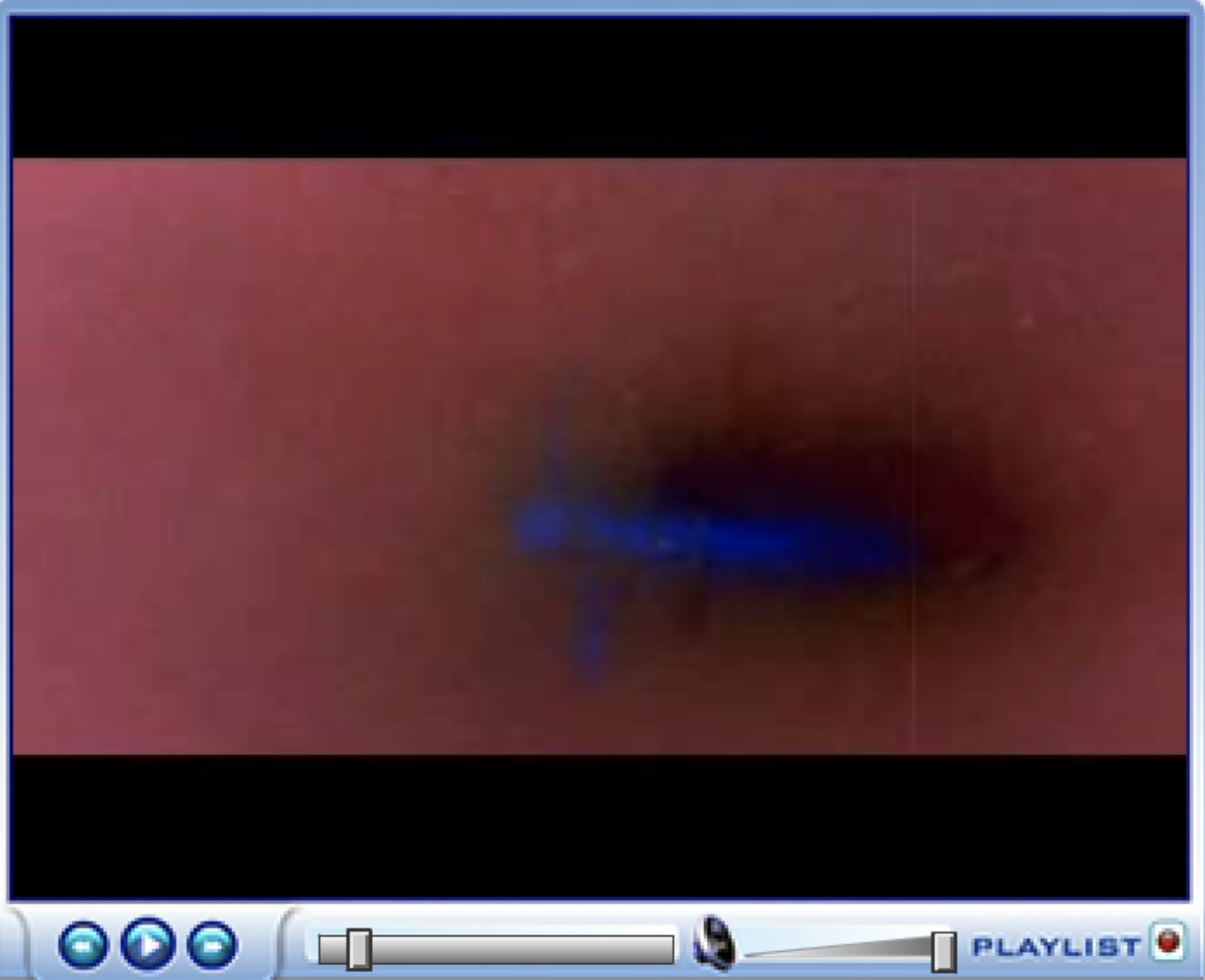
Ludy uses her art to combine the psychical and the digital world. She says she chose to focus on this relationship between reality and virtuality because she is interested in the “fluidity of spaces such as digital, dream, intuitive, psychological, emotional, psychic and spiritual.” She also notes that she pulls a lot of her inspiration from lucid dreams. I found that tidbit of information interesting because when I first saw her animation work I thought it looked a lot like someone took a 2D painting and sent it through dreamscape generator and made a gif.

Each of Ludy’s collections work to “give form to the intangible without the form becoming physical.” Because of this, her work is a little eerie to look at at. It feels familiar but not quite grounded. I like this aspect of her work because it keeps you a bit on edge instead of letting you relax into the work. This is an idea I’ve already begun to explore with Project 4, but there is definitely an abundance to learn from the ways Ludy has slightly unsettling factors merged into her otherwise aesthetically pleasing work.

Speaking of her work… you can check it out here https://www.saraludy.com/

Jack Addis (Jill Subrtactis)

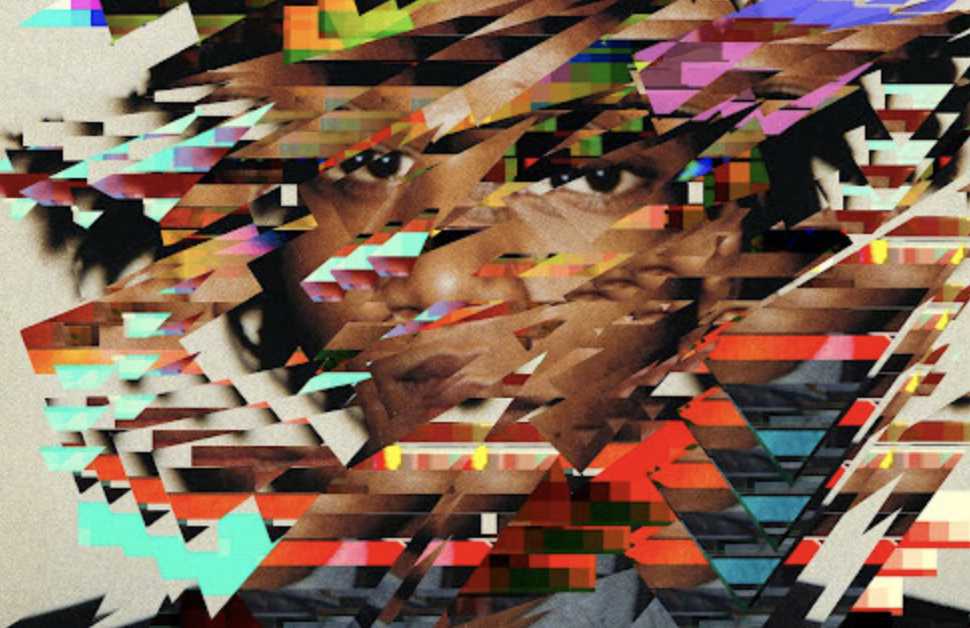
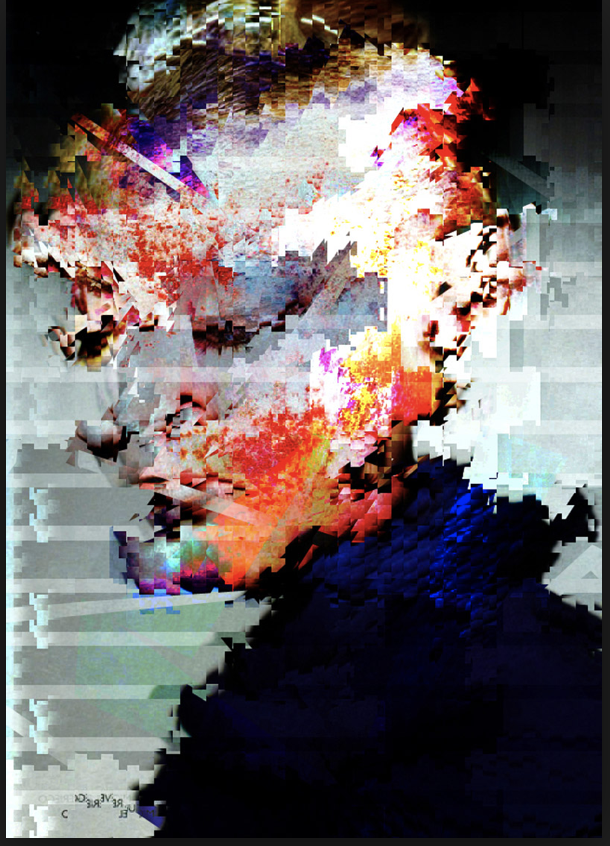
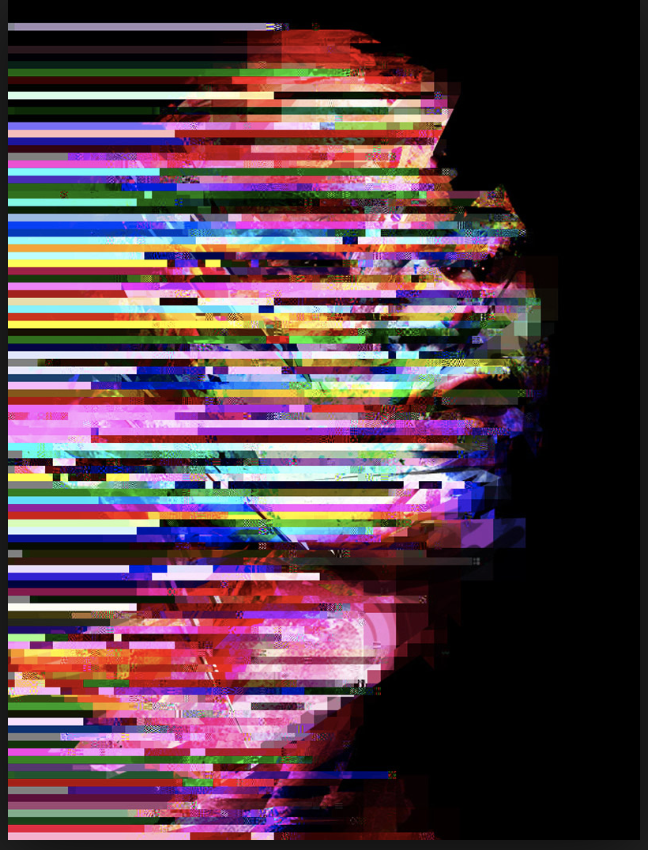
Jack Addis is a digital artist who came onto the scene nearly a decade ago. He works mostly with digitally distorted portraits. While he started by using computer software to create glitches in portraits and then keep them as portraits, he eventually moved onto to creating videos and gifs of the manipulated portraits, and he even expanded to landscapes and more abstract work at one point. Addis is considered a “new media artists” because computer software and digital manipulation is a new medium for art, especially his most recent work where he uses 3D rendered portraits to be manipulated.

Addis’ work is appealing to me because I like the sharp contrast of the realism of a photographic or 3D rendered portrait with the roughness of the glitches he adds. I also appreciate that he found a type of work he liked and stuck with it; it makes it easier to track his transitions.

I think his work is extremely relevant to our class since manipulated in pieces that have already been created is our Project three, and it is a great example of what you can do with “glitch art” which is something we were given as an option for Project 3. The idea to turn the glitching process into a gif is not something that would have occurred to me, but I am glad I can now factor in that thought to what I decide to do for Project 3.

*in a very Carrie Underwood voice* Rafael Rozendaal Take the Wheel.

Internet artist Rafael Rozendaal produces websites where users can interact with the art to create their own experience within the webpage. While he does sell these pieces to private collectors he mandates they must be left open to the public. Anyone with Adobe Flash player can enjoy and engage with his work.

http://www.itwillneverbethesame.com is a piece by Rozendaal where site users can control a road to change the endpoint to essentially steer the unseen car which driving down the road that is the webpage background.

I selected this piece because I love the seemingly simplistic execution behind it (nothing involving coding is ever simple I am learning). I also appreciate that Rozendaal has literally put the viewer behind the wheel. It’s a great example of Internet art because it doesn’t involve anything other than a webpage, and it doesn’t pull from off-net mediums. I think it would be interesting to create a webpage that is interactive but involves no scrolling, and I would like to incorporate something like this into my project.

Lines About Lignes

The piece of abstract animation work that I chose is called Lignes Horizontales by Norman Mclaren and Evelyn Lambart. It was created in 1962 for the National Film Board of Canada. It is extremely representational, but I still think the lines are used to show the rise in fall in the tonality of the music in an abstract way. It doesn’t seem to tell a direct story, but it does add to the feel of the music to make it a more immersive listening experience. I chose it because it uses very basic line work set to the beat of music which is very similar to what I was planning on doing for my own video. I thought it was a helpful bit of inspiration, and it is a good example for timing. 

You can watch the film here…. https://www.youtube.com/watch?v=qJwfeG3Mntk